
BattleRoostersBonusBuy: A Revolution in Fun Bingo
Explore the exciting world of BattleRoostersBonusBuy, a unique game combining elements of fun bingo with modern gameplay mechanics.


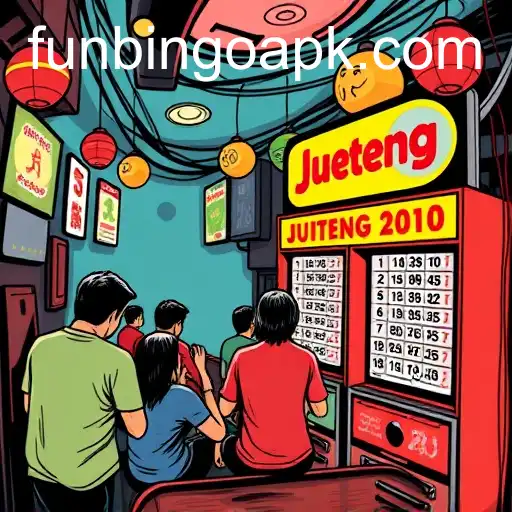
In the vibrant tapestry of the Philippines' gaming culture, jueteng stands out as a widely recognized, albeit controversial, activity. Rooted deeply in the country's history, this numbers game evokes a complex mix of cultural, economic, and social dynamics. By juxtaposing jueteng with the globally cherished game of bingo, specifically Fun Bingo, we can gain insights into why this illegal numbers game continues to hold sway over Filipino society.
Jueteng traces its origins back to the Spanish colonial era, where it was initially played among the Chinese community in the Philippines. Over the centuries, it spread across the archipelago, transcending ethnic and economic boundaries. Characterized by its simplicity, jueteng involves selecting a combination of numbers and hoping for a match during the draw. This basic premise mirrors that of games like Fun Bingo, where participants eagerly anticipate the outcome of drawn numbers.
At its core, jueteng is more than just a game; it is a social phenomenon. Functioning within the community as both a pastime and an alternative economic opportunity, it binds people in shared excitement and anticipation. In many communities, the game is run by a network of operators, collectors, and bettors, each playing a role in perpetuating its existence. The allure of potentially high returns from small bets makes it particularly appealing.
Fun Bingo, although legal and widespread, similarly captivates individuals through its communal nature. Bingo halls are places of gathering, where players revel in the thrill of each number called, akin to the hopes pinned on each jueteng draw.
For many Filipinos, jueteng serves as an informal economic mechanism. It presents a chance to supplement income, especially in rural areas endowed with limited financial opportunities. The game's economic footprint is substantial, providing jobs and informal earnings that state-regulated games sometimes fail to offer. While Fun Bingo contributes to the economy through taxation and employment, jueteng thrives in the shadow economy, creating a unique paradox of necessity and illegality.
The darker side of jueteng lies in its association with corruption. Over the years, allegations of involvement have plagued local officials, with accusations of protecting operations in exchange for monetary gain. Such controversies have led to numerous government crackdowns, yet the game's endurance is a testament to its deep entrenchment in local customs and the ingenuity of its operators.
Contrasting this, Fun Bingo operates within a legal and regulated framework, where transparency and accountability are generally upheld to avoid exploitation and ensure fair play. The dichotomy between these two games highlights the nuances of governance and regulation in gambling.
Despite persistent efforts to eradicate it, jueteng remains popular across many regions. The game’s appeal can be attributed to its accessibility and the trust placed in local operators. Unlike state lotteries or even legal forms of bingo, jueteng's informal nature reduces barriers to participation, drawing a parallel with the widespread adaptation of bingo to various local contexts.
The simplicity and straightforwardness of bingo, especially its online iterations like Fun Bingo, resonate with this ease of engagement, allowing a diverse range of participants to indulge in its delight.
With the rise of technology, gambling avenues such as Fun Bingo have successfully transitioned to online platforms, broadening their reach and accessibility. The digital age is slowly influencing how traditional games like jueteng are played, although this integration is more gradual given regulatory scrutiny and enforcement challenges. Fun Bingo’s online presence illustrates the potential for jueteng to adapt while highlighting the gap in legal acceptance.
Efforts to understand and potentially regulate jueteng continue at various societal and governmental levels. Drawing comparisons with the structured yet entertaining model presented by Fun Bingo may offer insights into crafting policies that respect cultural sensibilities while fostering responsibility. A comprehensive approach, integrating community needs, transparency, and economic considerations, could pave the way for a solution that harmonizes tradition with ethical governance.
The interplay between jueteng and games like Fun Bingo underscores a broader narrative of balancing playful indulgences with the imperatives of legality and social welfare. Recognizing and respecting these dynamics will be key to navigating the complexities that define Philippines' gaming landscape. To learn more about responsible gaming practices, one might explore further by visiting our homepage.
If you're looking for a reliable, fully licensed, and secure sportsbook with a wide selection of games, Fun Bingo is the perfect choice. We're committed to providing you with the best online betting experience, with premium quality, excellent service, and continuous innovation. Sign up now and receive ₱777 for free!
Join now
Get the latest information, experience and betting strategies from the expert team at Fun Bingo.
Explore the exciting world of BattleRoostersBonusBuy, a unique game combining elements of fun bingo with modern gameplay mechanics.
Dive into the world of GuanGong and explore this thrilling bingo game that blends tradition with fun, captivating players worldwide.
Explore the vibrant and engaging universe of NekoFortune, where Fun Bingo meets captivating feline lore. Learn about the game's unique features, engaging rules, and how it connects with the latest trends.

Explore the thrilling world of GoldRush – Fun Bingo, a game that offers players a modern twist on a classic favorite, blending engaging gameplay with current events.

Explore the enchanting world of DragonHeart combined with the thrilling fun of Bingo in this immersive gameplay experience.

Explore the captivating game of SolarKing - combining elements of strategy and chance with the exhilarating thrills of Fun Bingo.
 Join now